a Jesus-centered collaborative of makers, growers, and caretakers
why Common Good?
A church for the good of Ann Arbor
Our name is a conviction: that the good news of Jesus isn’t a private benefit for insiders — it’s a common good. Because the strange and hopeful story is this: in Jesus, God has begun healing the whole world. And more: we are invited to participate in this healing, doing the deeply human work of making, growing, and caretaking.
Common Good is a new church being planted out of these convictions. We’re growing a congregation that worships with depth and beauty, makes room for questions, and actively works for the common good in Ann Arbor.
Because we believe the things we already ache for — honest community, beauty, justice, a life that holds together — aren’t just wishful thinking.
They’re previews of a world healed.
Why Ann Arbor
Brilliant, busy, and craving community.
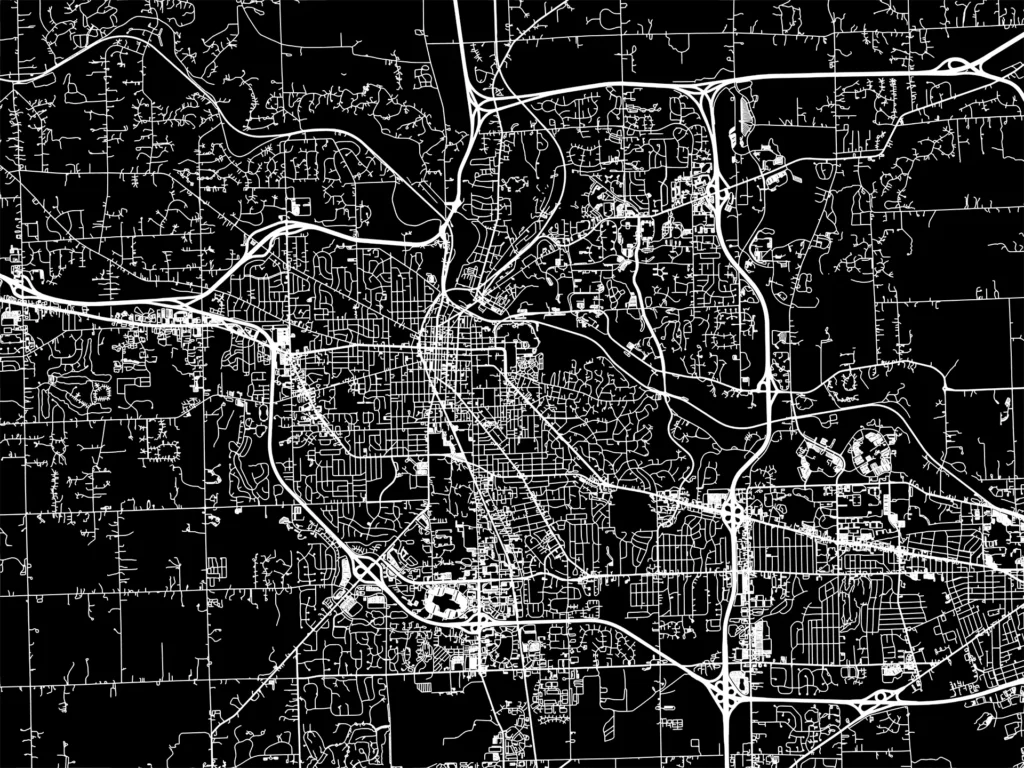
Ann Arbor is a home we share with about 123,000 people — 370,000 across the metro. The neighborhoods around ours are projected to grow at nearly three times Michigan’s rate over the next five years. But while people are coming to Ann Arbor, they’re leaving church: in the last four years, active participation has fallen from 44% to 31%. And yet, across Ann Arbor, people are still looking for a spiritual community—they just haven’t found one that fits. This is especially true for families: we keep meeting parents seeking a Jesus-centered, LGBTQ-affirming, and warmly liturgical church that offers a faith their kids can grow up inside, not recover from.
Ann Arbor is more of a stream than a pond: a third of its residents are new each year, which means there is a constant influx of people needing to find community. Ann Arbor, home to the world-class University of Michigan, is also unusually educated and unusually affluent. But the prosperity is uneven: this spring, the county hit an all-time high of people experiencing homelessness — up 27% in a single year — and the downtown shelter hit its capacity limit for the first time in its history. This is just one opportunity among many to do the real work of justice, right at home.
Ann Arbor is a city that finds its identity in performance. “Hustle culture” defines life for students and faculty, professionals and parents — along with achievement anxiety, chronic loneliness, fear of the future, and the sense of having no time to rest. We believe the gospel offers a compelling contrast to this vision of work: not anxious performance, but participation in God’s good work of renewing the world.
Ann Arbor has a deep bench of makers, growers, and caretakers. It has an incredible arts and food culture, with a robust restaurant scene and a thriving farmers market. The fastest-growing part of the population is families with school-aged kids — which means this city is full of caretakers who need a community to sustain their work. That’s who we’re planting this church with, and for.
53,000+
students at the University of Michigan
31%
ACTIVE RELIGIOUS PARTICIPATION, DOWN FROM 44% JUST FOUR YEARS AGO
77%
HOLD A BACHELOR’S OR HIGHER — over DOUBLE THE NATIONAL RATE
37%
Claim no religion — the most unaffiliated county in Michigan
The church we want to plant in Ann Arbor is intellectually credible, socially aware, theologically serious — and living for the good of the city.
The Vision
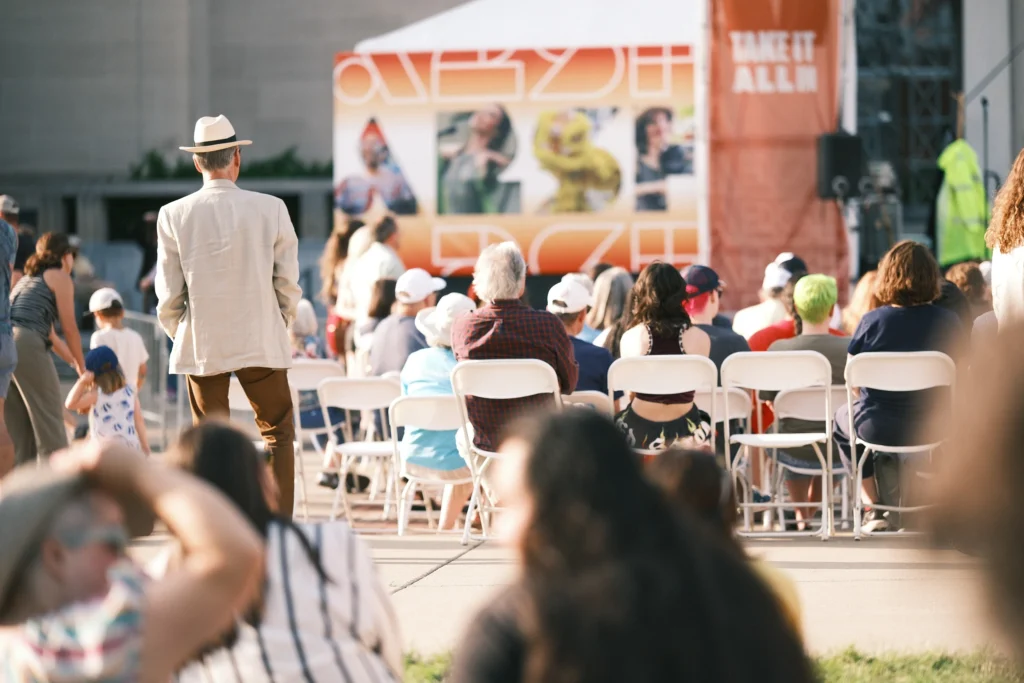
We want to join God’s renewing work in this city and the wider creation. We want Ann Arbor to have a church where you can belong before you believe, where believing brings real freedom, and where no one is a stranger for long.
We are planting a church that is vibrantly and generously Reformed — not as an identity to defend, but as a rich invitation into the larger Christian story.
We are planting a church where women and LGBTQ people lead, teach, preside, and belong in every area of the church’s life — not in spite of our commitment to Scripture, but because of it.
We are planting a church that keeps the Christian feast days with genuine parties — we think joy is formation, not decoration. Our weekly worship will be both liturgical and modern, centered on scripture and the Table every week. Our music will be rooted and singable (think The Porter’s Gate, CityAlight, Wendell Kimbrough), written for the whole room, not the stage. And in a city that runs on performance, we will lead worship that asks nothing be proven: instead, it leads to rest.
We are planting a church that will resolutely stand with the vulnerable and pursue justice because of Jesus, and that will strive from day one to handle power and privilege with care — because that skill belongs to both discipleship and hospitality.
All in all: we are cultivating a community with Jesus at center: the true center of gravity who pulls us into worship and sends us out in mission.
The plan
From living-room gatherings to weekly worship.
Phase 1 · Summer 2026
Prepare
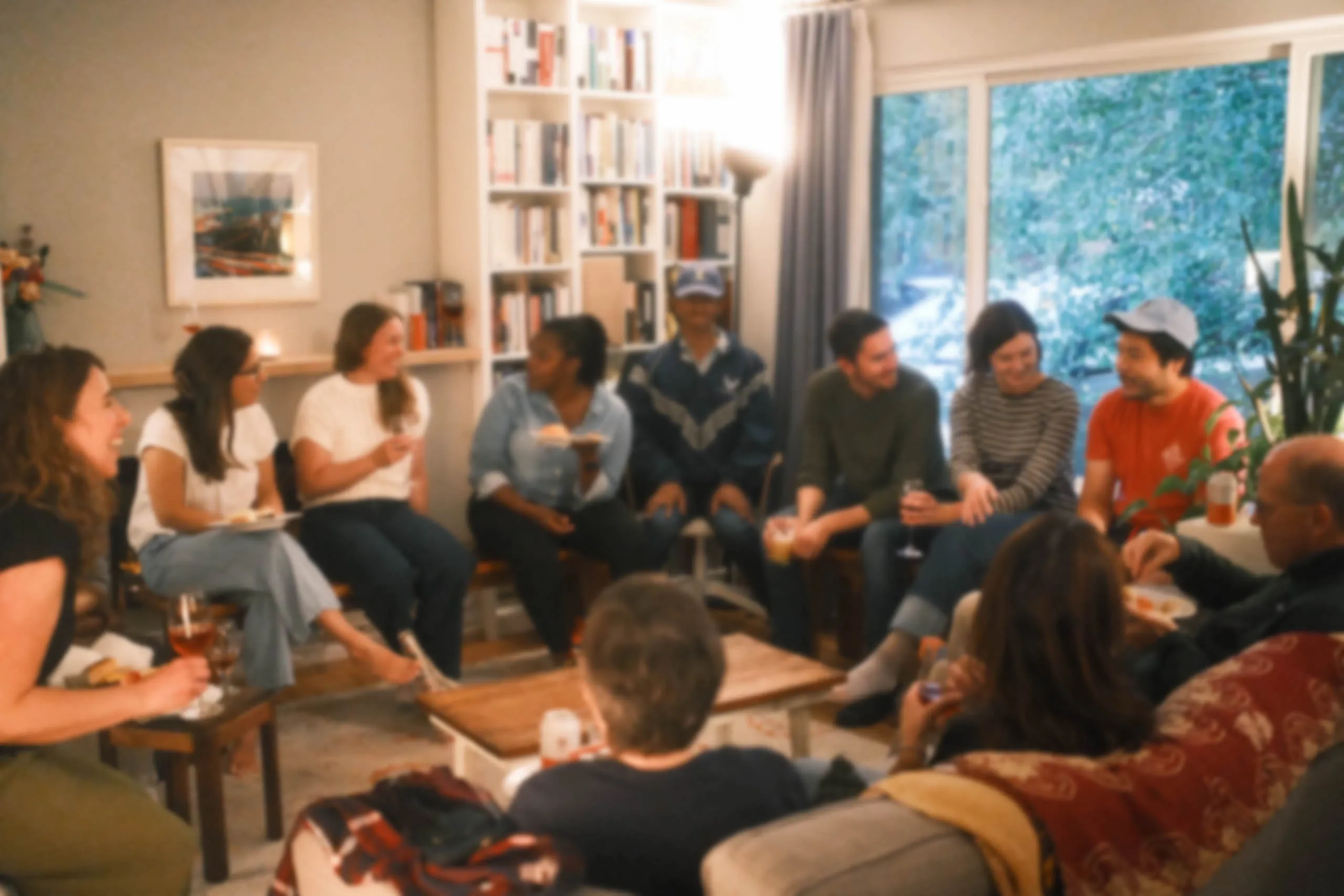
As we network and raise start-up funds, we will focus on pre-launch community gatherings in our home and neighborhood. Gatherings will focus on trust-building and include intentional conversations around people’s experience of religion. We will pilot a book study with Hanna Reichel’s For Such A Time As This and/or Frederick Bauerschmidt’s The Love That Is God.
Phase 2 · Fall 2026
Develop
As school begins, we will focus on gathering our core leaders and developing our community identity. Leadership development will focus on weekly bible study, spiritual formation practices, and deepening our context awareness. We will identify musicians and other key volunteers to be ready for the launch of weekly worship, with a particular focus on deepening partnerships with local farmers, growers, and artists.
Phase 3 · Spring 2027
Launch
Weekly worship and faith formation for children and youth will launch. Development of our community identity becomes a wider task. We celebrate our first Feast Days together and develop a plan to welcome the annual influx of people into Ann Arbor in July/August.
The team
Noah & Kristen Livingston
Lead pastors
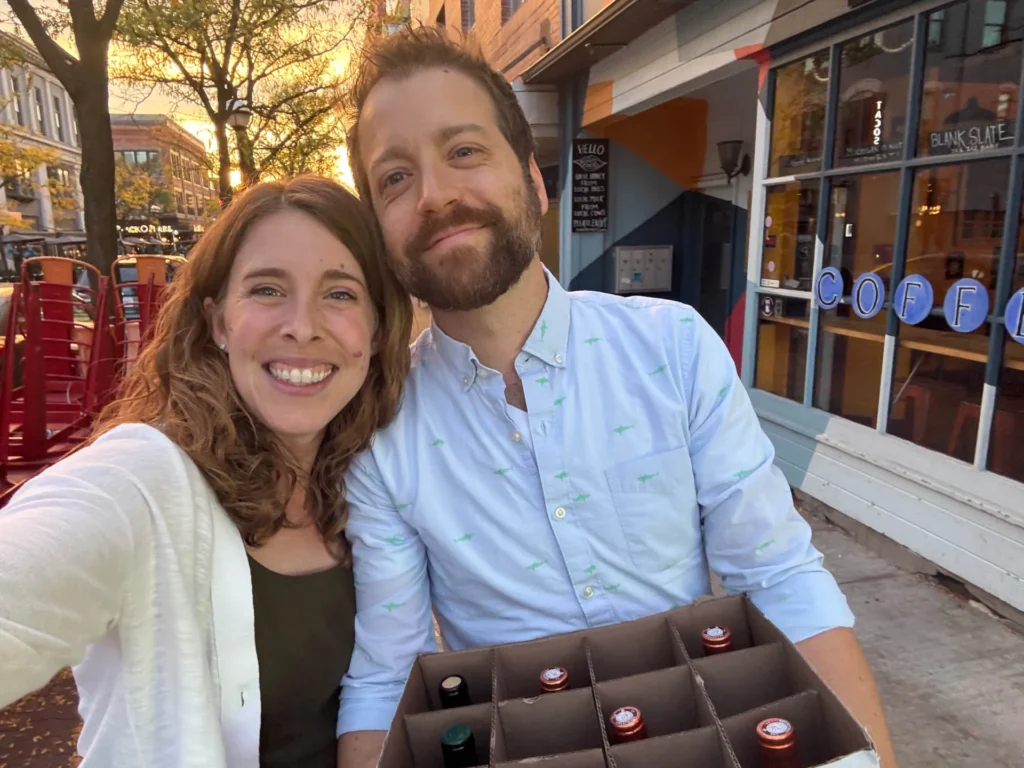
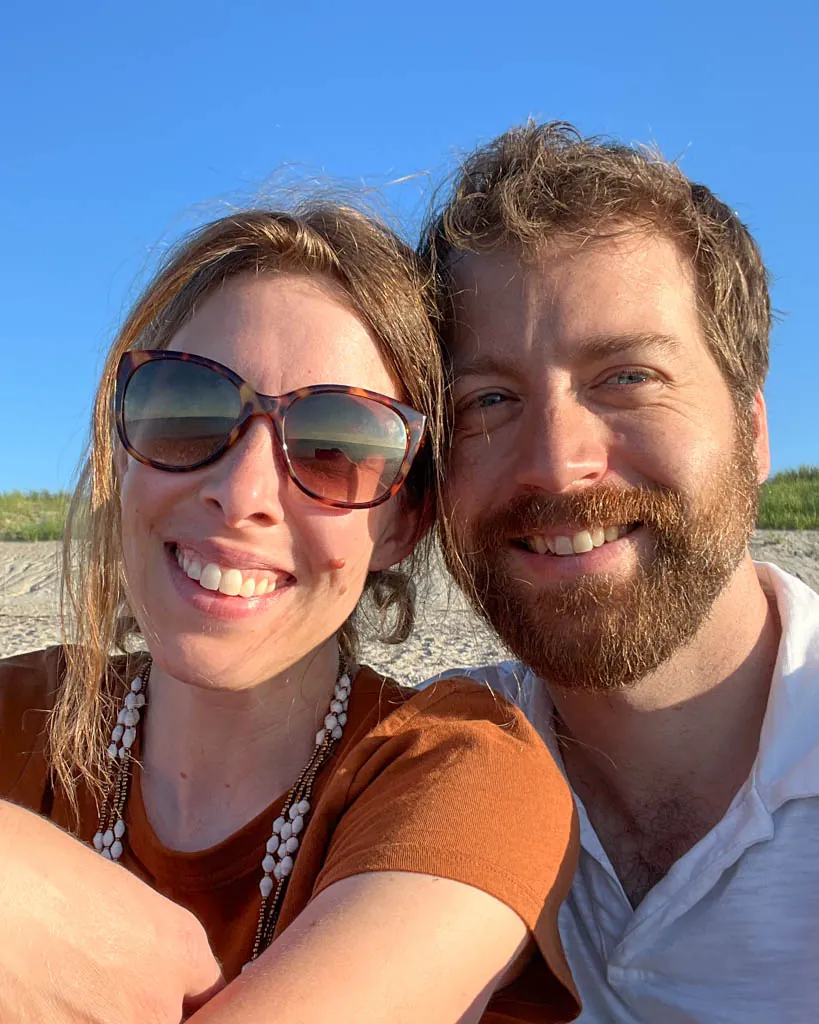
Noah and Kristen Livingston serve as co-lead pastors of Common Good Church. They bring 26 years of combined ordained ministry to the plant. The last seven years, they have lived in Ann Arbor, building relationships across the city, learning its culture, and loving their neighbors.
Kristen is a connector, gatherer, and twice-weekly farmers market patron. She loves arranging flowers and volunteering at our Title 1 school. Noah is a musician, photographer, and general creator. He thinks the Detroit Tigers are better than their record and spends an inordinate amount of time chasing the perfect cup of coffee.
Together, they have three spirited children and an impossibly lovable Bernese Mountain Dog named Molly.
Let’s do this
Common Good depends on the generosity of people who want to see it exist. If you resonate with the vision, we invite you to partner with us. Give once, or commit to giving over time; every gift goes straight into the work of starting this church.
Contributions to Common Good Church are tax-deductible
Common Good Church is a plant of City Classis and a ministry of the Reformed Church in America
Stay in the loop
Whether you’re here in Ann Arbor or following from a distance, we’d love to keep you in the loop. Leave your name and you’ll find out what’s taking shape, when we’re gathering, and how to pray for and with us.